Closer, Safer, Still Independent: Tiny Homes on Wheels for Aging Parents

by | Nov 3, 2025

Closer, Safer, Still Independent: Tiny Homes on Wheels for Aging Parents

by | Nov 3, 2025

A practical guide for landowners, homeowners and accommodation providers considering a tiny home on wheels for guest accommodation, extra space or short-stay income potential.

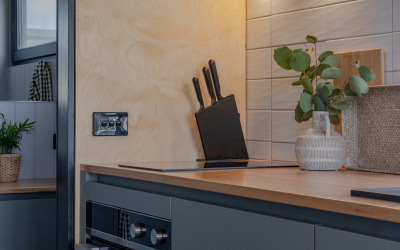
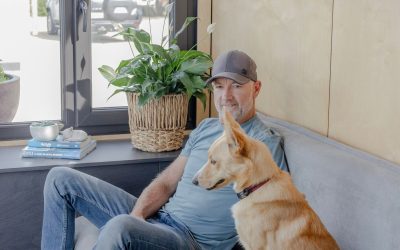
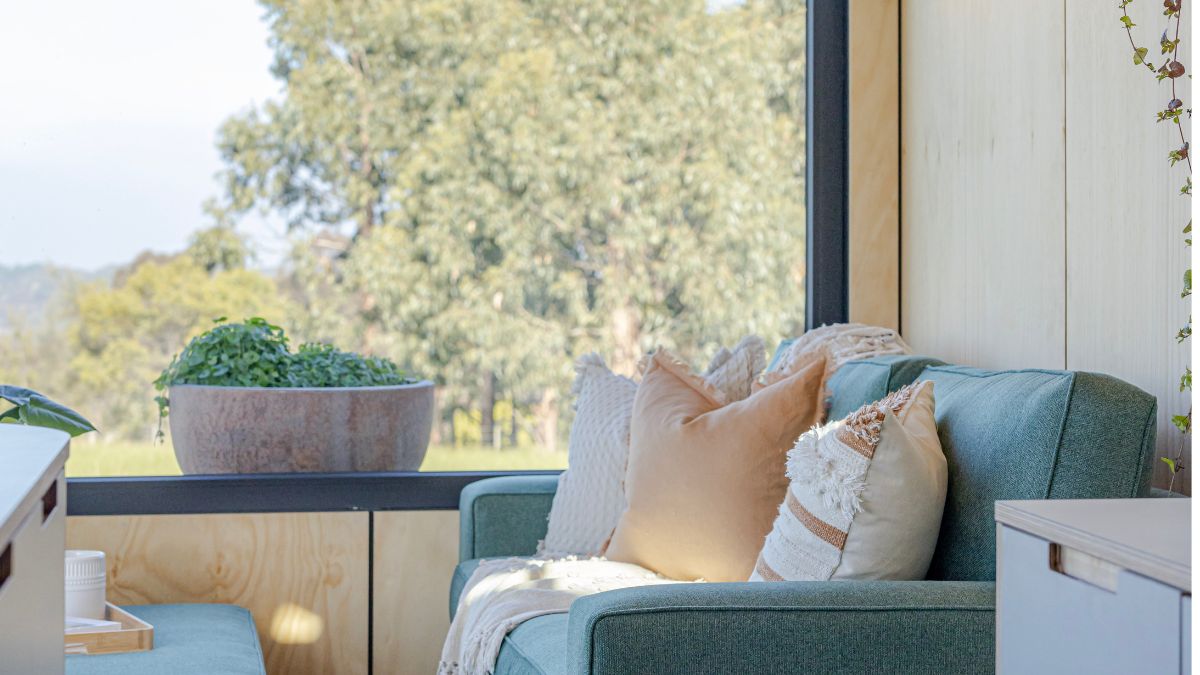
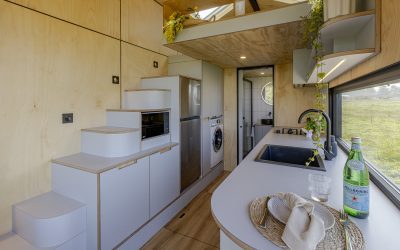
Interior of a tiny home on wheels designed for elderly living, showing a bright, senior-friendly layout with easy access and natural light

Is your elderly parent needing more day-to-day support — but not ready to leave their independence behind?

More Australian families are looking for ways to keep aging loved ones close while respecting their autonomy.

With aged care costs rising and traditional renovations taking time and money, many are turning to an innovative solution: a tiny home on wheels.

Whether it’s for safety, social connection, or peace of mind, a tiny home on your property could be the ideal way to care for your parent without crowding your main house.

Aging in Place: What Seniors Really Want

Most older Australians don’t want to move into retirement homes. They want to stay connected to family and community, maintain their routines, and enjoy the familiarity of a home they control.

But managing a full-sized house alone can become unsafe or overwhelming. Health conditions, mobility issues, or isolation risks can all make living alone a challenge.

Tiny homes on wheels offer a respectful, empowering alternative.

Tiny Home on Wheels = Comfort, Dignity, and Support

Designed thoughtfully, a tiny home on wheels can provide a:

  • Safe, senior-friendly space right on your property
  • Private dwelling with a full bathroom, kitchen, and bedroom
  • Close connection to loved ones and daily care

It’s a way to offer your parent the support they need — without compromising their independence or yours.

Why Families Choose tiny homes on wheels for Elderly Parents

For Aging Parents:

  • Maintain daily autonomy and personal space
  • Stay near family for social interaction and peace of mind
  • Avoid institutional care settings

For Carers and Families:

  • Provide support without sacrificing privacy
  • Respond quickly to health or care needs
  • Reuse the tiny home on wheels later as guest accommodation or a rental

Design Considerations for Senior Comfort

When designing for older occupants, we prioritise:

  • Ground-floor layouts (no lofts)
  • Grab rails and anti-slip flooring in bathrooms
  • Lower bench heights and appliance access
  • Passive heating/cooling to maintain comfort year-round
  • Low-toxin, sustainable materials for a healthy home environment

We work with you to ensure the design supports mobility, safety, and ease of living.

Key Takeaways

Keep aging parents close without compromising their independence
tiny homes on wheels offer a fast, respectful alternative to aged care or renovations
Tailored for mobility, comfort, and safety
Reusable for guests, rentals, or future family needs

Reader Reflection

Could a tiny home on wheels help your aging parent feel safe, supported, and still independent?

Let’s design a space your parent will feel proud to call home.

Book a free consultation now at info@www.manukatinyhomes.com.au
Share this guide:

Frequently Asked Questions

Common Questions & Australian Regulations

Can I build a tiny house on a second-hand caravan or boat trailer?

We strongly advise against it. Second-hand caravan and boat trailers are rarely engineered to support the continuous 3.5T–4.5T concentrated dead load of timber framing, double-glazed windows, appliances, and water storage. Modifying an old trailer frequently violates ADR compliance and will make obtaining an Australian registration compliance certificate virtually impossible.

What is the maximum legal width and height for towing in Australia without pilot vehicles?

Under Australian National Heavy Vehicle regulations, the standard legal dimensions for general access without special oversize permits or escort vehicles are a maximum width of 2.50 meters, a maximum height of 4.30 meters from road surface to the highest point, and a maximum total vehicle and trailer combined length of 19.0 meters.

How do you prevent rust when a tiny home is positioned near coastal areas?

All Manuka Tiny Homes chassis utilize structural hollow sections (SHS) and C-channels that undergo full chemical pickling followed by hot-dip galvanizing to AS/NZS 4680 standards. For severe marine environments (within 1km of surf coastline), we also offer an additional 2-pack epoxy zinc underbelly barrier.

Do I need special towing licenses to relocate a 4.5-tonne tiny home?

In most Australian states, a standard Class C car driver license permits towing up to the rated towing capacity of your vehicle. However, towing a 4.0T–4.5T trailer requires a heavy-duty tow vehicle (such as an American pickup truck like a Ford F-250, RAM 2500, or light commercial truck) fitted with an approved 70mm ball or pintle hitch and an electric brake controller. Many owners choose a professional insured heavy-towing transport contractor for peace of mind.

Recommended Reading

Related Guides & Technical Articles

Could a Tiny Home on Wheels Work on Your Property?

If you have usable land and are thinking about guest accommodation, family stays or short-stay income, the first step isn't choosing a design — it's understanding whether your property is suitable.

Our free Property Readiness Check looks at access, site position, services, privacy and intended use, and gives you a practical answer in about 3 minutes.

Free · Takes about 3 minutes · No obligation.